Odes to Sweet Auburn
Auburn Avenue from Buttermilk Bottom to the King Center, written for the festival on May 9.
Every neighborhood album is written for a specific patch of ground — the stoop, the corner store, the diner that’s been open since 1963. The Atlanta circuit is the spine. The Greater Georgia and out-of-state runs branch from it. No song is reused between neighborhoods.
The Atlanta circuit, block by block. New cities drop every season.
Auburn Avenue from Buttermilk Bottom to the King Center, written for the festival on May 9.
The named Krogers of Atlanta — Murder, Disco, Beltline, Stripper, Soviet, Kosher. One song per nickname.
Closing hours at Atlanta's most-loved lost venues — Royal Peacock, the Roxy, the Masquerade.
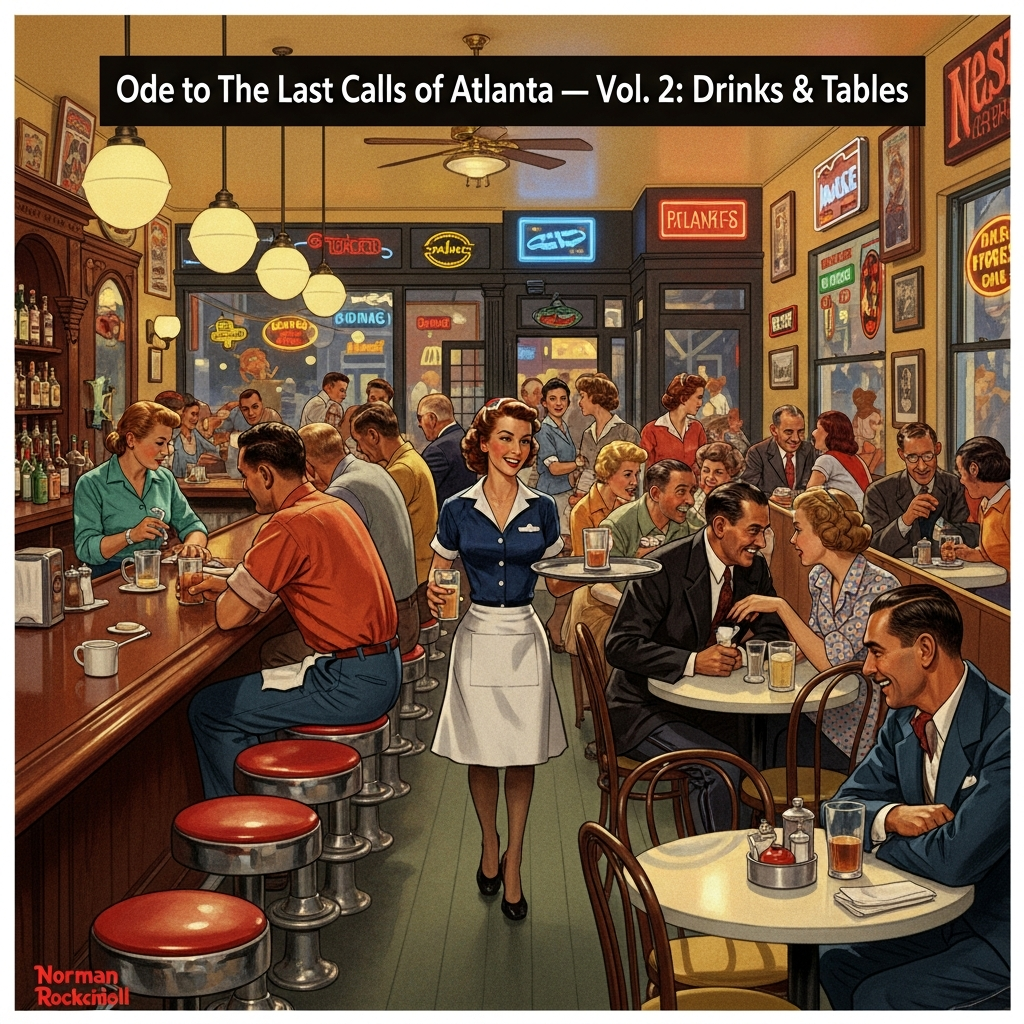
The kitchen-and-cocktail companion to Vol. 1 — Backstreet, the 24-hr legends, the bars and tables that held Atlanta up.
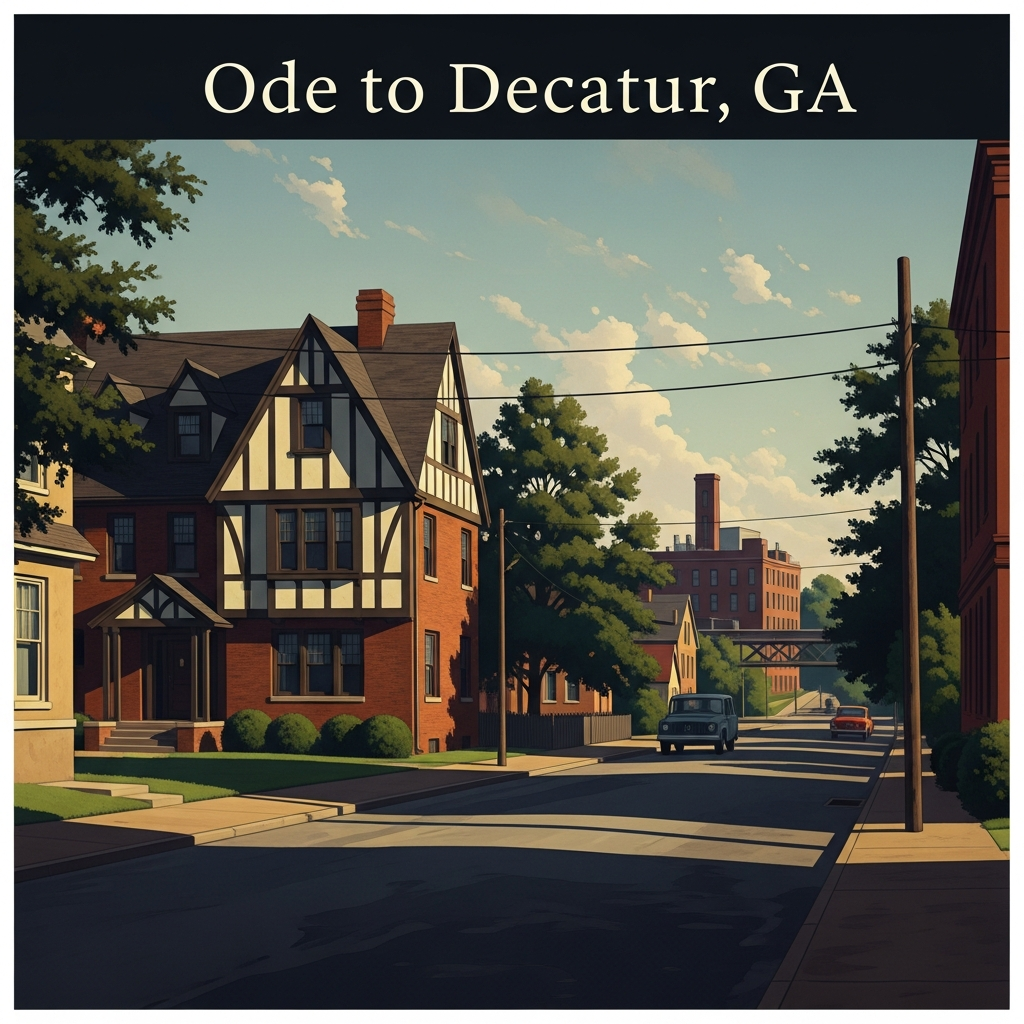
The eastside seat of DeKalb County — Avondale Estates, Oakhurst, Agnes Scott, the Square.
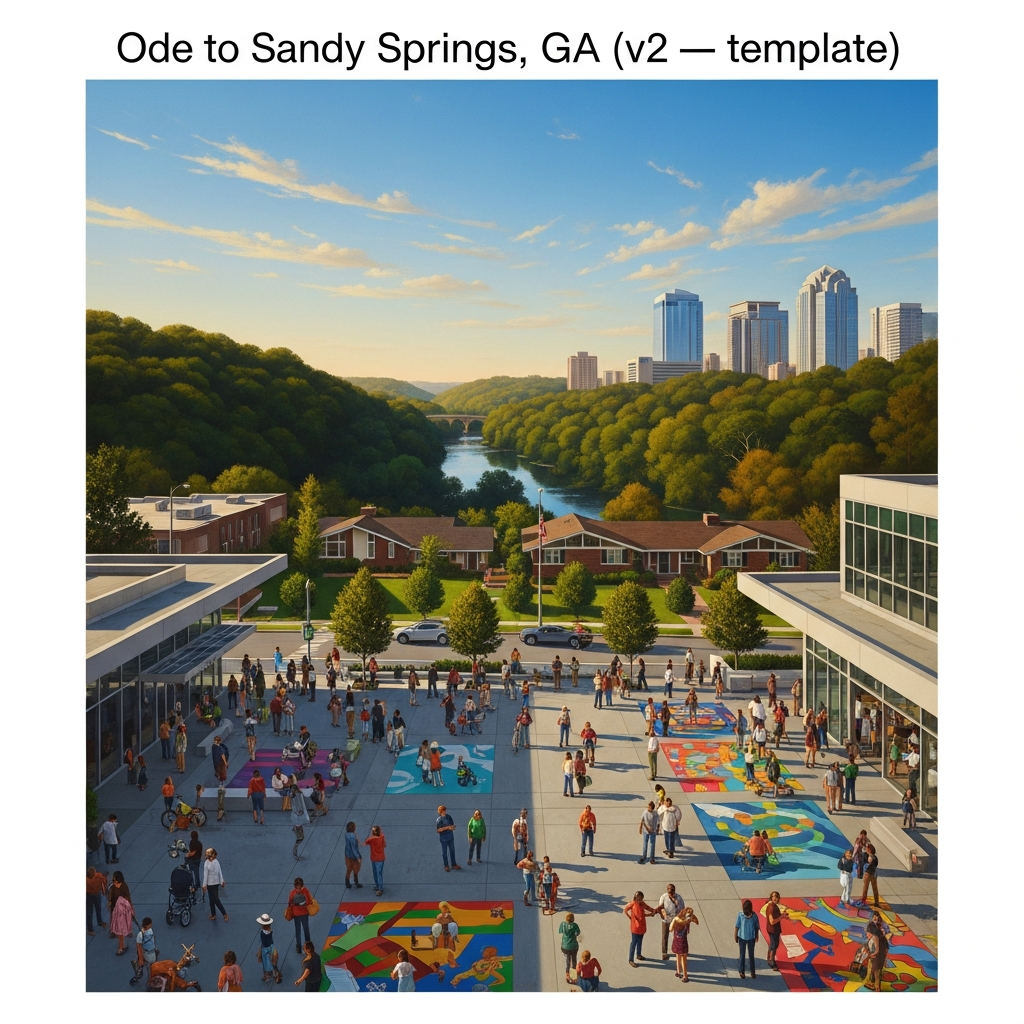
North of the Perimeter, where the Chattahoochee bends and the office parks meet the springs.
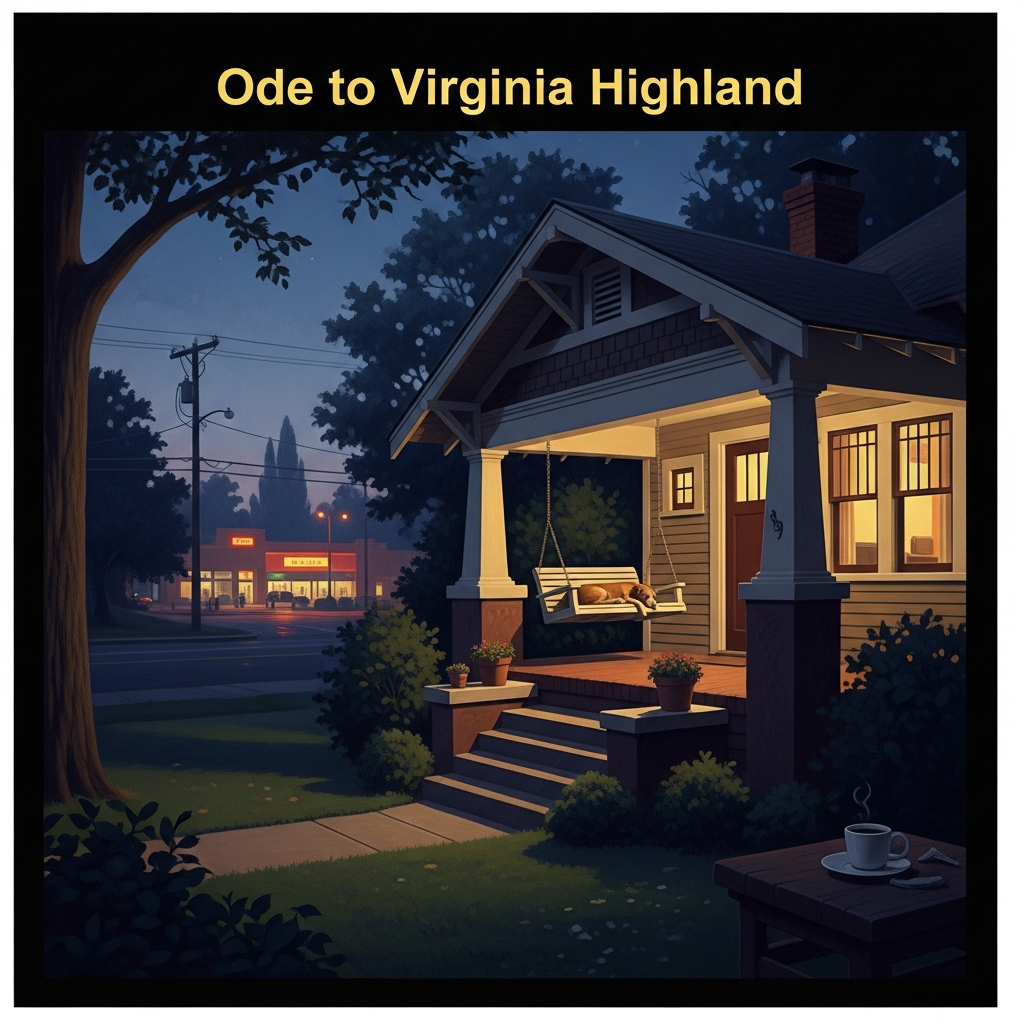
The four-way intersection at the heart of intown Atlanta. Coffee, cocktails, and bungalows from the 1910s.
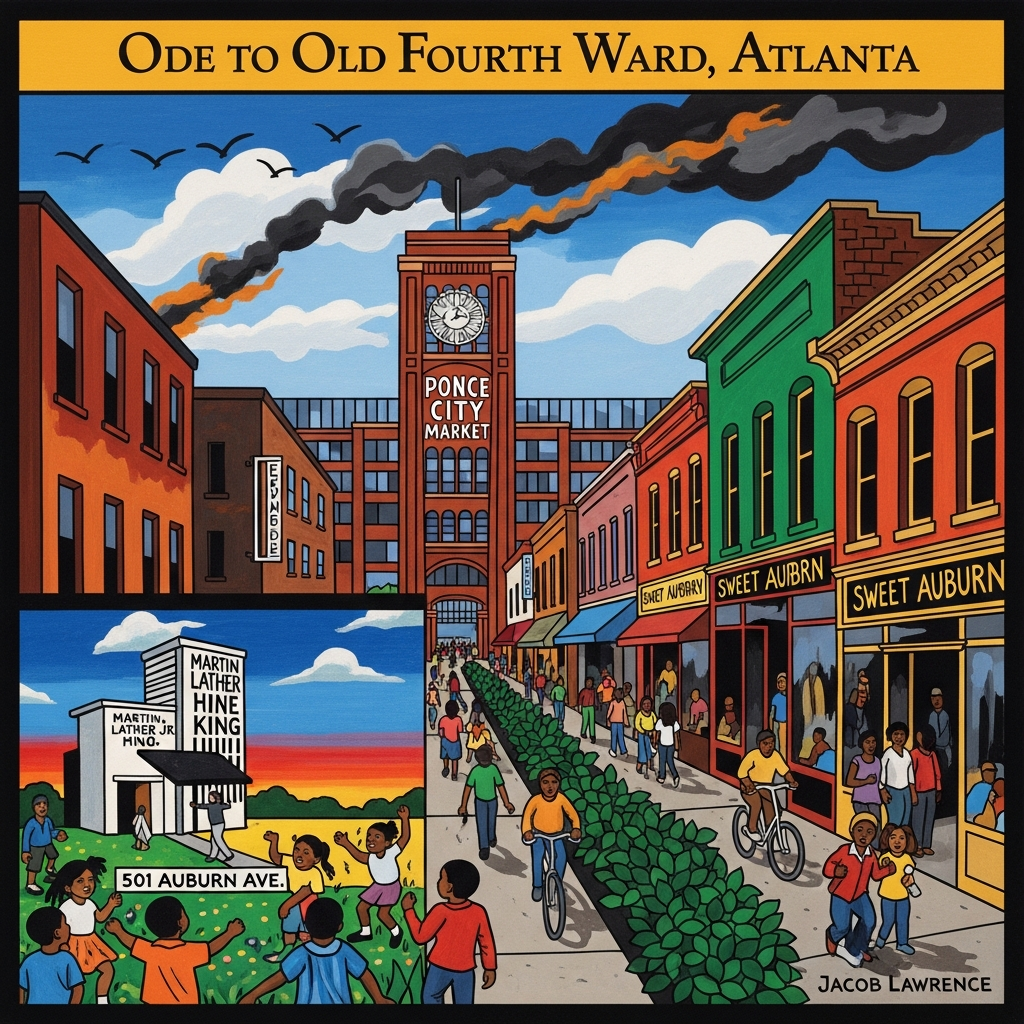
O4W from Ponce City Market to the Beltline trailhead, the neighborhood that taught Atlanta how to redevelop.
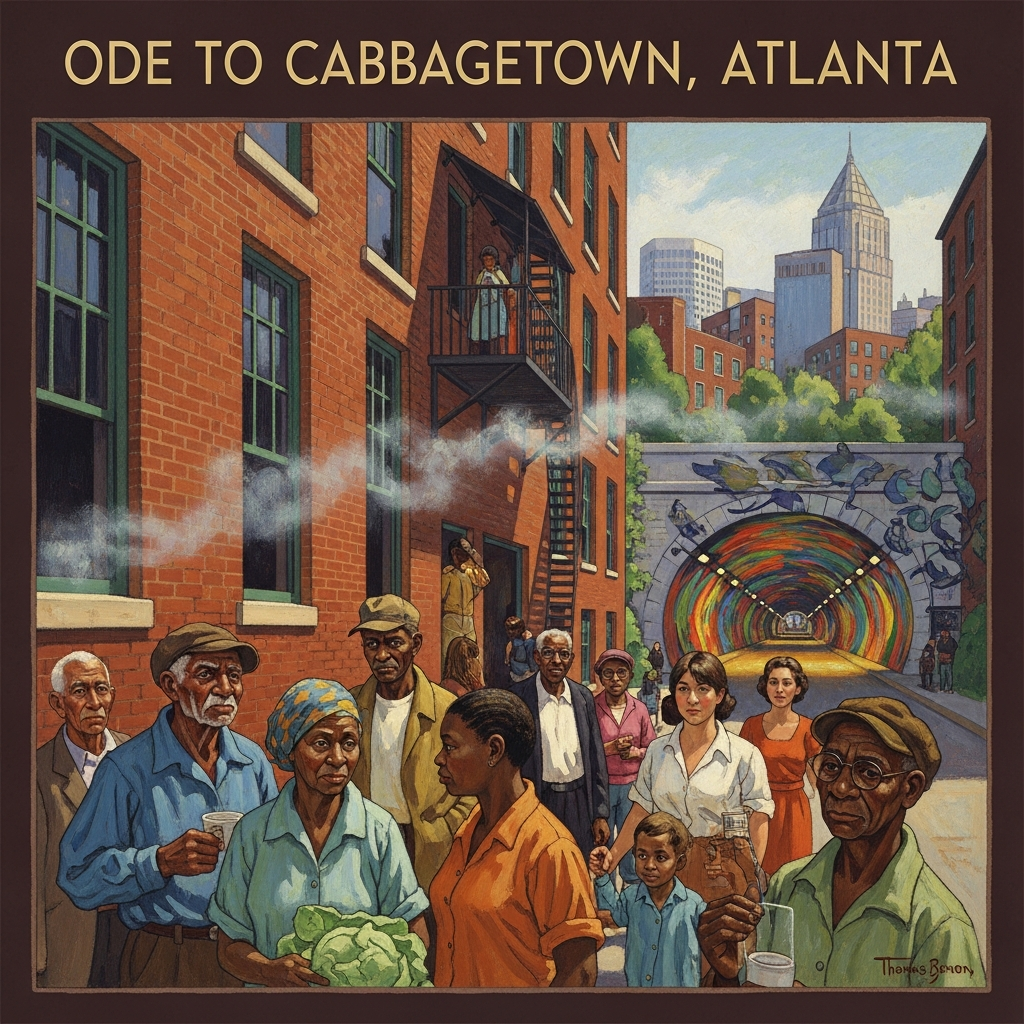
The cotton-mill village turned art neighborhood, just east of Oakland Cemetery and just south of nothing.
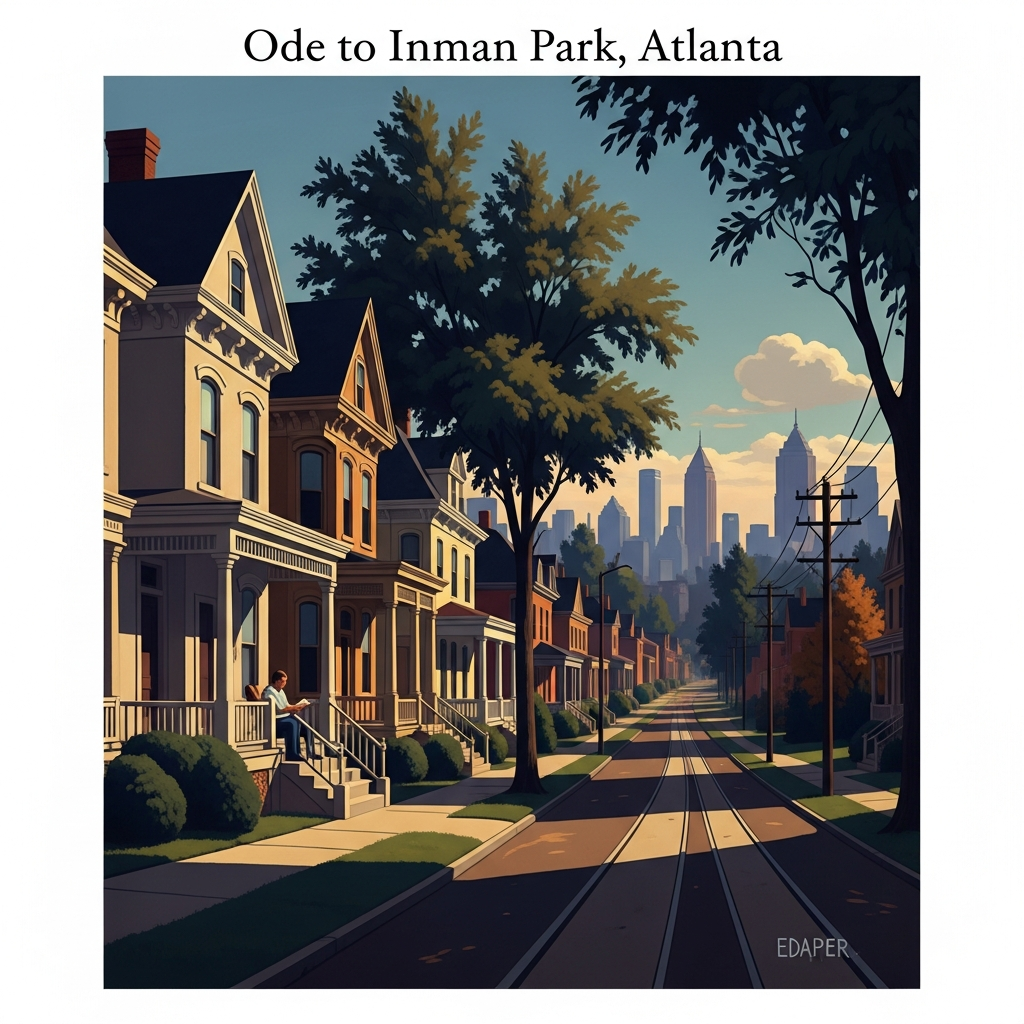
Atlanta's first planned suburb — Victorian porches, the festival, the Trolley Barn, the place we started.
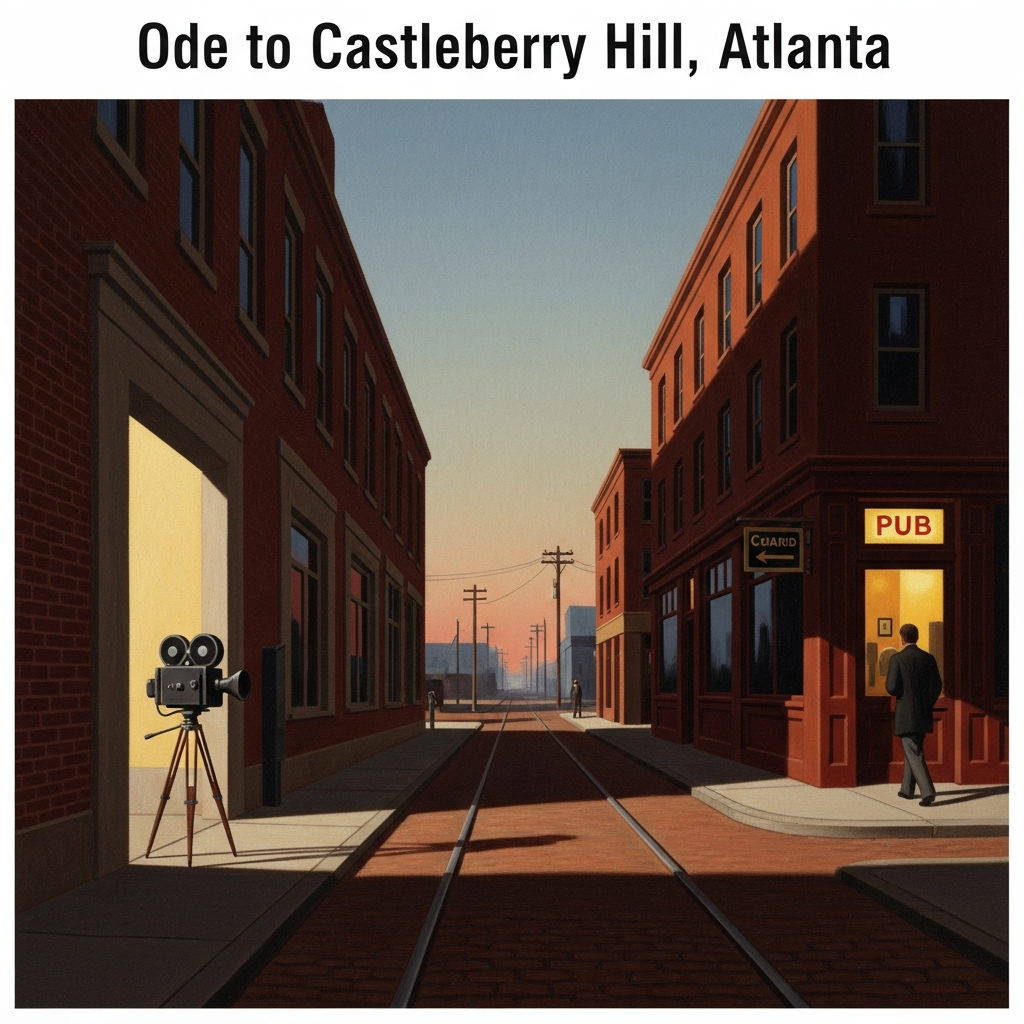
The arts district just southwest of the gulch, with the loft buildings and the Friday gallery walks.
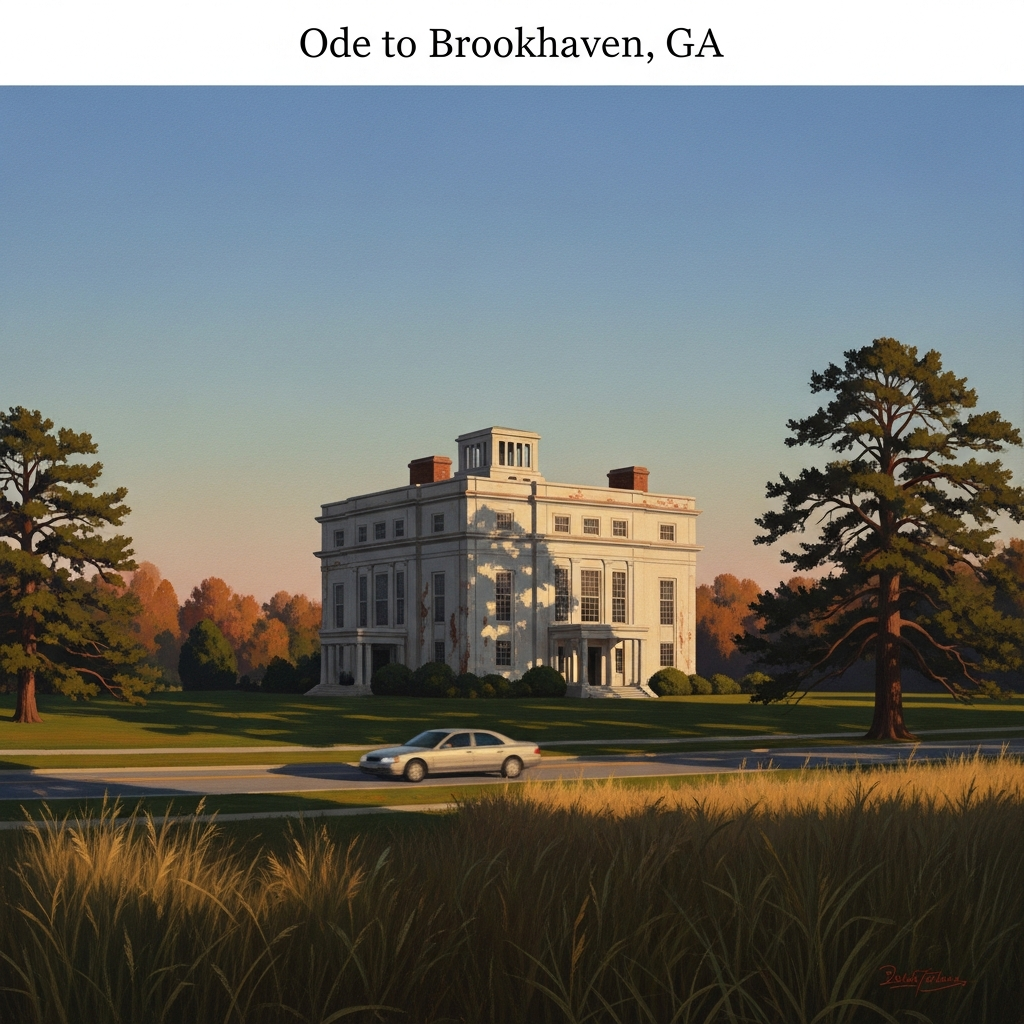
Where the city meets the suburbs, north of Lenox and south of Perimeter Mall.
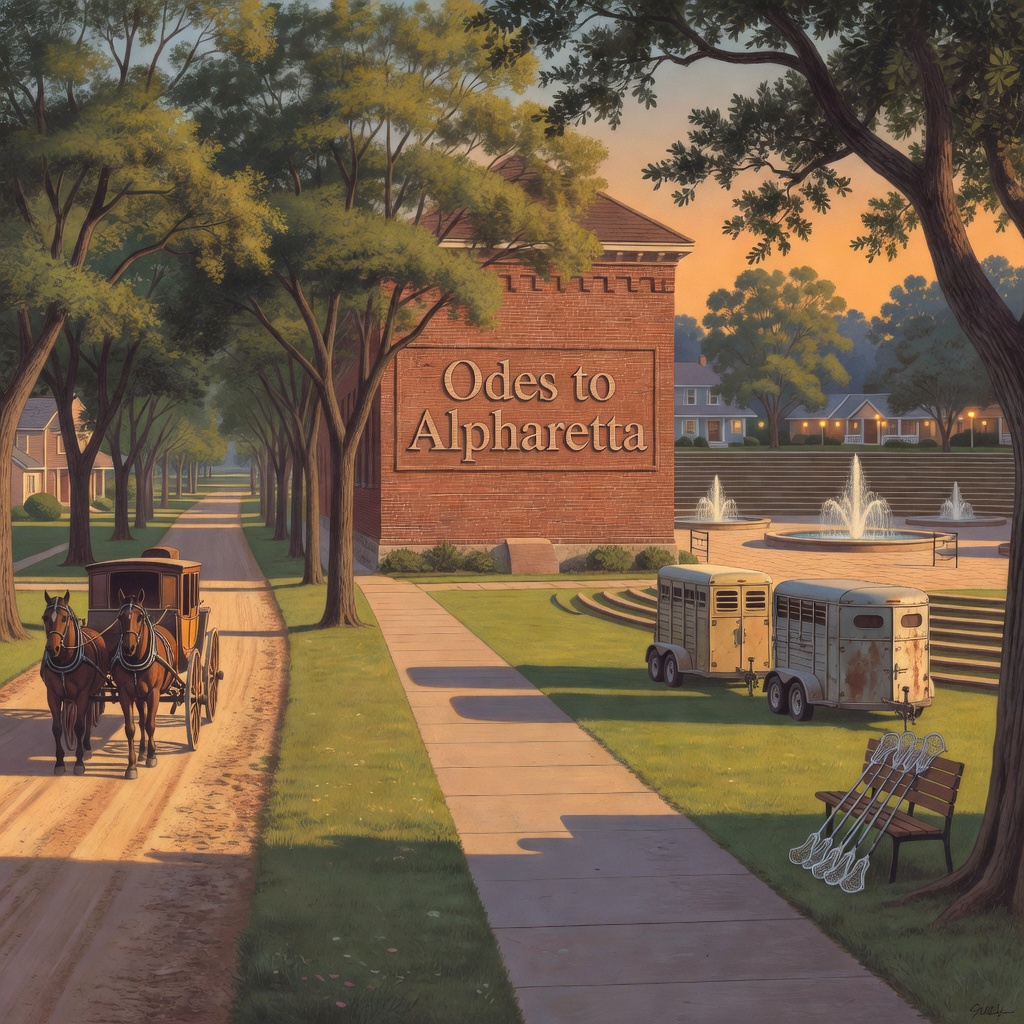
North-Fulton, where Cherokee paths along the Etowah meet Avalon's plaza of the third place.
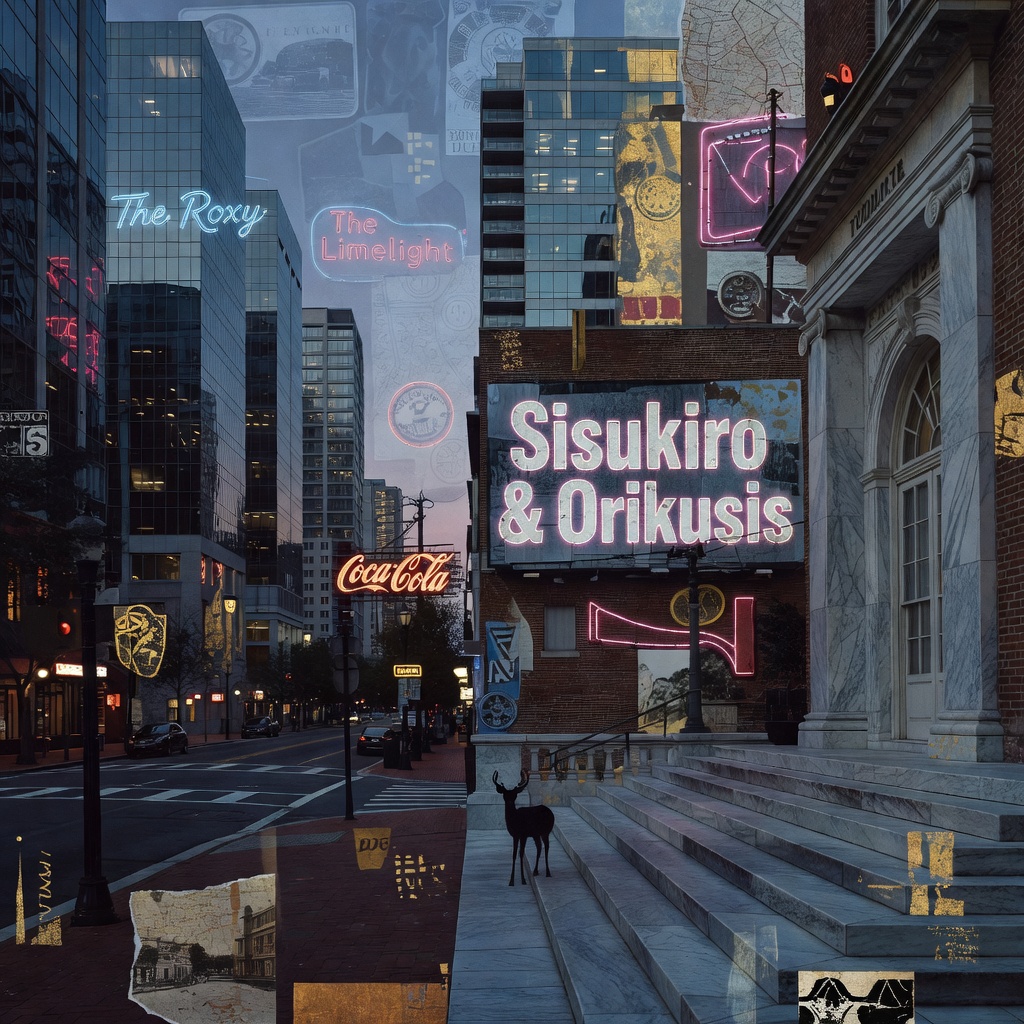
The golden enclave and the bar district they shut down — Lenox Square marble, Swan House columns, and the neon that ran until four.